Usb Drive Encryption Software Mac
After encrypting USB flash drive with Bitlocker on Mac, we can use M3 Bitlocker Loader for Mac to open/access Bitlocker encrypted USB flash drive on macOS Catalina 10.15/Mojave 10.14/High Sierra 10.13/Sierra 10.12 and Mac OS X 10.11/10.10/10.9/10.8 Operating Systems.
Your hard drive is the physical place where all your files are stored – documents, movies, books, songs – everything. Everything is in there, ready for you to access it.
How Important Is It To Encrypt Your Hard Drive, Though? Do You Really Need to Do It?
Your device will continue to work properly without encrypting your hard drive… until it doesn’t. You won’t know you need it until you can’t do anything about it.
Sounds pretty nasty, I’m sure. As every doctor can tell you, prevention is better than the cure. There is this recent study that shows how valid this is in our little situation as well. The study, released by the Ponemon Institute, was titled “The 2019 Global Encryption Trends Study”.
Its results show 45% of the surveyed organizations have an encryption policy, which is an all-time high among enterprises. Data is important, securing it – even more.
What Is Encryption?
The concept of hard drive encryption is simple enough. The encryption process uses sophisticated mathematical functions to protect the data from anyone without the appropriate password or key. This provides an additional layer of security, preventing hackers from entering.
If you send an encrypted Word document to a friend, they will need to decrypt it first. Otherwise, they will only see some random mumbo-jumbo. Unless they’re an experienced mathematician.
AES or Advanced Encryption Standard
AES is a symmetric algorithm for encryption. It is one of the most well-known encryption methodologies and probably the best in use. It was created by two Belgian cryptographers in 1998 and was eventually adopted by the US government and used worldwide as a staple of encryption.
AES is the first and only publicly available cipher, approved by the NSA (National Security Agency) for top secret information. If it’s good enough for Uncle Sam, it should be good enough for everyone.
You need to know that every time a file is written to the drive, special software encrypts it automatically. While reading the file, the software decrypts it, leaving all other data on the drive encrypted.
On the surface, you won’t be able to tell if a computer is ciphered. You may experience a slow down while working, but even that is not a given.
Does A Whole Disk Encryption Slow Down my PC?
Basically, everything you install on your computer may and will have an effect on its performance. The question is whether the change will be noticeable.
Your CPU (Central Processing Unit), the encryption program you use, and the type of hard drive are key here. They will determine whether or not full disk encryption will slow your PC.
It generally depends on your computer (memory, clock, connections, protocols, etc.) and its speed of processing. You can make an analogy with hiking boots – they do weigh more than regular sports shoes and the extra weight does slow you down a bit. That said, the additional protection is very much welcome.
If you were to go hiking barefoot you would be faster… but for how long? Your feet will give up a lot sooner, making the whole endeavor meaningless.
Alright, if encrypting your hard drive is that useful… how can you actually do it?
How to Encrypt Your Hard Drive
Whole disk encryption might sound like a complicated process, but it’s really not that hard. All you need are your trusty encryption tools and a flash drive or CD – in order to store a backup.
Make sure to keep your passphrase or recovery key in a safe place, because if you lose or forget it – there will be no way to recover your data. It’s like the only key to the basement, where you keep everything of value. The key is unique, so if you lose it, you will need to break the door to enter the basement.
Except when it comes to encryption, breaking the algorithm is almost impossible.
Windows – Encrypt Hard Drive
There are many encryption tools available, so it may be a bit confusing to pick the right one. Let’s take a look at a few.
BitLocker
is one of the most recognizable encryption softwares out there. And the best part is it’s completely free to use! On top of that, BitLocker drive encryption is rock solid, since it uses the aforementioned AES algorithm.
But wait, there’s more! The tool comes free with the latest Windows OS, so you just need to click a button to turn it on.
First step is to check if you actually have BitLocker. Simply right-click on one of your drives and then choose the “turn on BitLocker” command. If you do not have such an option, it’s likely you have an older version of Windows and would need to look for another solution.
In case you do have that option, the next thing to do is to choose a method to unlock. Afterward, backup your recovery key – you can save it on your USB drive, Microsoft account, to a file or even print it out.
After you’ve saved your key, you must choose what will happen with the files on your drive. You can either encrypt the whole drive, including the free space or only encrypt the disk files already in use. Otherwise, BitLocker will automatically encrypt all new files, as you add them.
Note that, if you are a Windows 10 user, you will see an additional screen letting you choose an encryption method. If you’re using Windows 7 or 8, just skip ahead to the next step. Windows 10 introduced a new method for encryption XTS-AES, which provides enhanced performance over AES in Windows 7 and 8.
So, if you are sure you will only be using Windows 10, select the “New encryption mode”. If you think you may need to switch to older versions of Windows, go ahead with the “Compatibility mode”.
We’re Drawing Towards the End, I Promise.
Now that you’ve selected the encryption mode, hit the “Next” button and now you can click “Start encrypting”.
The process itself may take anywhere from a couple of seconds to minutes or longer. It depends on the amount of data you’re encrypting and if you’re encrypting free space as well.
If you have chosen to encrypt your system drive, you’ll need to run a BitLocker system check and reboot your PC. Just make sure to select the option. After the restart, Windows will encrypt the drive.
In case you want to encrypt a removable drive, Windows will not require a restart and will encrypt immediately.
That Wasn’t Too Hard, Was It, but How Do You Unlock Your Drive?
For an encrypted system drive, Windows will ask you to unlock the drive – via password, key or connecting your USB. To unlock an encrypted removable drive, simply type in the password, when you connect it to your PC.
DiskCryptor
is another free encryption tool. You can install it on every Microsoft OS from Windows 2000 onward. It’s easy, convenient and works extremely well.
DiskCryptor is also lightweight, which helps avoid a noticeable impact on your system performance. It’s a good tool both for beginners and experienced users and only uses 1MB of disk space when installed.
With DiskCryptor you can choose between AES, Two-fish and Serpent as methods for encryption. The software is specialized in encrypting sectors. This means that full disk encryption could take a while. Reviews suggest that the tool is awesome for encrypting drives and smaller parts of your system.
For example, a 64 GB USB flash drive will be fully encrypted by the time you finish your breakfast. Decryption will be considerably slower though, so you can go grab a cup of tea and a good book.
VeraCrypt
is yet another free software – YAY! You can use it on Windows, Mac and Linux operating systems. Just like BitLocker, it uses AES; however, it goes one step beyond, utilizing the Two-fish and Serpent cyphers as well.
The tool is constantly being updated, so improvements in terms of functionality and security keep coming up. And it’s open source, so everyone can contribute! VeraCrypt is very flexible and can be used for both full disk encryption and just encrypting a single file.
VeraCrypt vs. BitLocker
Both tools are quite similar and the truth is you can use them combined to achieve the maximum efficiency. The biggest difference between them is actually who can use them. VeraCrypt can run on practically every operating system. BitLocker, developed by Microsoft, is the most commonly preferred choice since it’s already in your computer by default (unless you’re using an older version of Windows or an entirely different OS).
Power-users may prefer to use VeraCrypt, because it uses several encryption algorithms and is open-source – which means anyone can apply changes to it. Now don’t get me wrong, VeraCrypt is still easy enough to operate, but it does require more effort than the pre-installed BitLocker.
Let’s See What It’s All About.
In this particular case, we’ll encrypt a flash drive. The process is similar to all other types of encryption.
1) Steps 1 and 2 show you how to create a volume. Remember to select a drive too.
2) Steps 3 and 4 are all about choosing the volume type and location.
3) Steps 5 and 6 will see you entering the volume creation mode and encryption options. Stick with the default settings, unless you have a good reason to change them.
4) Step 7 is for selecting the best password and step 8 will provide a fun game to play with your mouse.
5) Steps 9 and 10 are the start of the process. Do backup anything important before beginning to format.
6) 11 and 12 are the final steps. Congratulations!
Comparison of Disk Encryption Software
is THE article, if you’re a tech-savvy person, who wants to get to know everything about encrypting software.
In a nutshell, both softwares are excellent and will serve you well. You can’t go wrong with either one.
Encrypt Hard Drive – Mac
What about yourself, as a Mac user, you ask? Well, FileVault already exists in Mac environment. You have the option to enable it to start preventing unauthorized access. Doing so is very easy, too. You need to click on the apple icon, select “system preferences”, then click “security and privacy”.
Click on the padlock icon and enter your administrator username and password and click “Turn on FileVault”.
Next step is to choose how you want to be able to unlock your disk and reset your password. The encryption occurs in the background as you use your Mac, and only while your Mac is awake and plugged into AC power. Any new files that you create are then automatically encrypted as they are saved to your startup disk.
After the process is done, you will need to restart your Mac. From there on, you’ll need to enter your password every time you start up your device – no account is permitted to login automatically.
And should you want to turn FileVault off, just follow the same steps for turning it on.
But let me share a secret with you. You can actually go without any encryption software. Seriously. What you need is a
Self-Encrypting Drive or SED
It does the job, all while hiding in the shadows. It has a circuit built into the disk drive controller chip, so all data is encrypted and decrypted to the magnetic media automatically.
And it’s just a regular hard drive – no yellow lights or fancy designs. The encryption is absolutely invisible to the user. You just give the drive a password and from there on you are best buddies.
SED works with an encryption key called MEK (Media Encryption Key). To lock and unlock a drive, it needs another key, known as KEK (Key Encryption Key), which you have to provide. What are best friends for, after all?
We’ll be hearing more about self-encrypting drives in the future. They are currently on the upper end of the scale, speaking of price, but it’s definitely worth the investment, I would say. SED are secure, reliable and easy to use – go for it.
Flash Drive and External HDD Encryption
Securing your external drives is essential. The USB is a small and convenient way to carry your data everywhere. That also makes it easy to be stolen or lost. By encrypting it, you’re sure your data is safe.
Flash Drive Encryption: Hardware or Software?
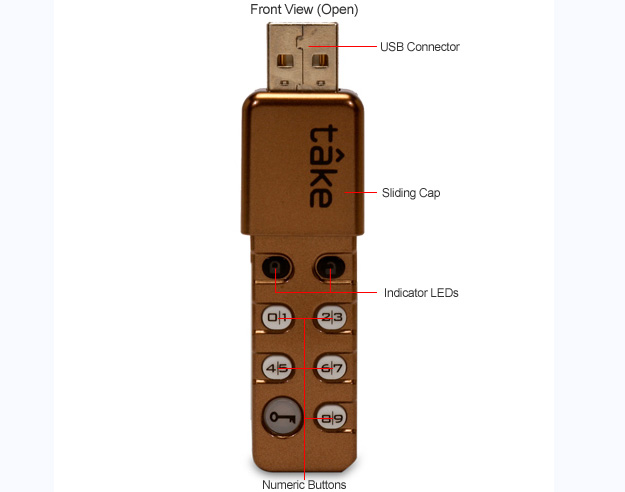
Luckily, you can buy a flash drive with integrated encryption software. Of course, it will cost you a bit more – anywhere from $20 to $100. These drives use a physical pin pad and often come with features like automatic overwrites, in case you enter an incorrect pin too many times. This method is not immune to failure, however.
Software Encryption is Better
Besides being much cheaper or even free, software tools are just as effective as the hardware solution. The only major flaw is the time it takes to encrypt your files. It also requires a bit more tinkering, but no worries. Here’s a complete guide on how to encrypt your flash drive on every OS.
Encrypted External Hard
The process is pretty much the same as with USB drive encryption. I won’t fill your head with the same information. You can always check this article, in case you’re having trouble with encrypting.
By This Point, You Are Already Adept at Encryption
You know how to encrypt your hard drive, the benefits of different software tools and why it’s important to keep your data encrypted.
If you’re looking for an easy way to carry or back up your digital data, a USB flash drive may offer you a cheap solution. Also known as thumb drives, flash drives are small, portable data storage devices that you can slip into your pocket.
Convenient? Yes. But what if the personal data stored on your flash drive is exposed? While this external portable device is compact and easy to carry, it’s also easy to lose or have stolen for those same reasons.
That’s where encryption comes in.
Why encrypt your flash drive?
If you’re going to use a flash drive, encryption is one of the best ways to protect your data.
Encryption can help protect the sensitive data on an external drive should it fall into the wrong hands through loss or theft, but there are other reasons for encryption, too. For instance, non-encrypted flash drives can leave you vulnerable to malware and other device security threats.
But what does it really mean to encrypt your data and how does it work? Encryption means only those with an encryption key file or password will be able to access the data on an encrypted flash drive.
So even if your flash drive falls into the wrong hands, those unintended third parties won’t be able to access or understand the information the drive is holding and therefore would be unable to use it for nefarious purposes.
Encryption, flash drives, and filesystems
An important factor in the encryption process for your flash drive is your filesystem. Your filesystem organizes your drive by dictating how and how much data is stored, and what type of data can be attached to files.
Apple supports three file systems: Apple File System (APFS), Hierarchical File System (HFS) Plus, and extended File Allocation Table (exFAT). Windows also supports exFAT, along with NT File System (NTFS) and File Allocation Table (FAT32).
Different filesystem types will impact your encryption options in different ways. Here are the differences.
Apple File System (APFS)
The APFS is the default used in the newer Mac operating system, also known as macOS 10.13 High Sierra — and is optimized for flash drives.
Hierarchical File System (HFS) Plus
The HFS+ filesystem, also known as Mac OS Extended, is used by Apple to encrypt removable media on older versions of macOS.
NT File System (NTFS)
NTFS is the most modern file system that Windows uses by default for its system drive and non-removable drives. NTFS is the ideal filesystem for internal drives.
File Allocation Table (FAT32)
FAT32 is older and less efficient than NTFS. However, it is more compatible with other operating systems and can be used to support an external drive — if exFAT isn’t supported on your device and you don’t have files larger than 4 GB.
ExFAT
ExFAT is the modern replacement for FAT32 and is a great cross-platform option, supported by more devices and operating systems in its compatibility with both Windows and macOS. This file system is optimal for flash drives in its lightweight design like FAT32, but without that filesystem’s limitations or the extra features of NTFS. Similar to NTFS, exFAT gives you more storage than FAT32’s 4GB limit.
Encrypting a flash drive on a Mac computer
Encrypting your flash drive is different on a Mac because Apple uses the APFS or HFS+ filesystems to encrypt removable media, so you’ll need to format your drive accordingly. Here’s how.
Step 1: Erase drive (but consider consulting an expert first)
To format your external flash drive with the HFS+ filesystem, for example, start by opening the disk utility app. Then select your USB drive and choose Erase. Keep in mind that you could erase any data that’s already on the external or flash drive. You may want to consult a professional for advice.
Step 2: Format filesystem
After choosing the MacOS extended format and erasing the drive, format it with the HFS+ filesystem.
Step 3: Encrypt drive
To encrypt your drive, right-click your USB drive in your Finder and select Encrypt.
Step 4: Set password
Enter a strong password to keep others from gaining access.
Encrypting a flash drive on a Windows computer
Windows uses built-in encryption software known as BitLocker drive encryption, which is built into Windows Vista, including Pro, Ultimate, Enterprise, and Windows 10. While Bitlocker can encrypt your operating system drive and fixed data drives on your computer, Bitlocker to Go can encrypt your external USB flash drive and external hard drives. Windows also gives you a choice between three filesystems, as mentioned above.
Step 1: Choose filesystem
To start, choose which filesystem you want to use — NFTS, exFAT or FAT32 — by right-clicking your drive and choosing Format.
Step 2: Encrypt drive
To encrypt your flash or external drive, select the drive in your file explorer, hit your Manage tab, Select BitLocker, and turn BitLocker on.
Step 3: Set password
You’ll then choose how you want to unlock the drive — with a smart card, password, or both. If you choose to set a password, create a strong password and enter it twice.
Step 4: Save recovery key
You’ll then need to choose how you want to save your recovery key, in case you forget your password.
Encryption software options
Some flash drives offer built-in encryption, so you won’t have to use encryption software or a third-party app. If your drive doesn’t already provide encryption, you’ll need to decide which software is right for you.
Your decision will depend on factors that include your operating system, ease of use, level of encryption, safety features, speed, file size, and cost. Below is a listing of several encryption tools you may want to consider for your removable media.
Gilisoft USB encryption*
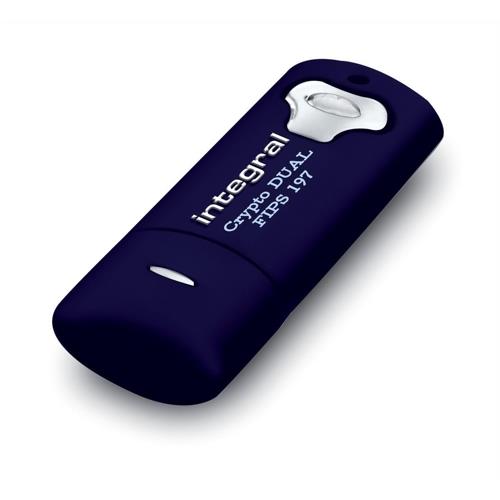
Gilisoft USB encryption software uses the AES-256 encryption algorithm, and runs automatically once your USB is detected. Other than choosing the size of your encrypted partition, everything else is automated. In various online reviews, possible drawbacks have includeed the cost, which runs about $50, and your computer — the app only works with a Windows platform.
USB Safeguard*
The USB Safeguard encryption software also uses AES-256 encryption for files, folders and drives. The highlights of USB Safeguard are just what its name implies: its safety features. The app lets you create virtual containers to keep your data safe, and also automatically locks when unplugged or when a user is inactive for a certain time. The potential drawbacks noted in online reviews? USB Safeguard only supports Windows and encryption of files up to 2GB. After that, it’s around $23 per license.
Kruptos 2 Go-USB Vault*
While there are several encryption software options for Windows, there aren’t as many for macOS. Kruptos 2 uses the stronger AES-256 encryption and notes that it can be used across platforms for Windows, macOS, and Android. While the process for encryption is relatively easy and the cost is around $24.95, the drawbacks are that you can’t encrypt an entire partition or system drive like you can with others, and the encryption process is reported to be slower than free tools like VeraCrypt.
How to encrypt a flash drive for free
There are several free options for encrypting the data on your flash drive through third-party tools. The differences in their efficacy seem to hinge on differences in their platforms, functions, and algorithms.
VeraCrypt*
VeraCrypt is another free third-party data encryption tools. It’s based on earlier software known as TrueCrypt and can function cross-platform. This encryption software can be used with Windows, OS X, and Linus. The product is able to hide encrypted volumes within other volumes through AES, TwoFish, and Serpent encryption.
AxCrypt*
AxCrypt software requires an annual fee for Mac and mobile applications, but it’s a free, open source encryption tool for Windows. This software allows you to encrypt either a file or an entire folder. AxCrypt can use timed encryption, letting you schedule the encryption and decryption of specific files or folders for a certain amount of time according to your needs and uses.
One difference? AxCrypt can’t create encrypted volumes the way VeraCrypt can. Also, the free version supports the AES-128 algorithm, which isn’t as strong as AES-256 encryption.
DiskCryptor*
This tool is another free, open source program that supports drive and volume encryption for Windows. DiskCryptor supports complex system configurations and lets you choose between the algorithms AES-256, Serpent, and Twofish.
GNU Privacy Guard*
This open source encryption software supports several types of encryption and can be used with Windows, OS X, and Linus. This tool is useful in its ability to encrypt individual files, disk images, volumes, external drives, and connected media.
7-Zip*
7-Zip is free file archive software for Windows, OS X and Linus. This encryption tool supports 256-bit AES encryption. It’s easy-to-use in its ability to use an encryption key to encrypt multiple files with one click.
Cyber threats have evolved, and so have we.
Usb Drive Encryption Software Mac Pro
Norton 360™ with LifeLock™, all-in-one, comprehensive protection against viruses, malware, identity theft, online tracking and much, much more.
* The inclusion of websites, apps, or links does not imply endorsement or support of any company, material, product and/or provider listed herein.
There are many encryption options available. The main takeaway? Your platform, the size of your files, your level of expertise, and your willingness to pay are a few of the factors to consider in deciding how to encrypt your data.
Sandisk Usb Encryption Software
But there’s one constant. If you have sensitive data on your flash drive, encryption — whether it’s applied to all or only part of the drive — is important in keeping your sensitive information safe and secure.
Editorial note: Our articles provide educational information for you. NortonLifeLock offerings may not cover or protect against every type of crime, fraud, or threat we write about. Our goal is to increase awareness about cyber safety. Please review complete Terms during enrollment or setup. Remember that no one can prevent all identity theft or cybercrime, and that LifeLock does not monitor all transactions at all businesses.
Usb Encryption Software
Copyright © 2020 NortonLifeLock Inc. All rights reserved. NortonLifeLock, the NortonLifeLock Logo, the Checkmark Logo, Norton, LifeLock, and the LockMan Logo are trademarks or registered trademarks of NortonLifeLock Inc. or its affiliates in the United States and other countries. Firefox is a trademark of Mozilla Foundation. Android, Google Chrome, Google Play and the Google Play logo are trademarks of Google, LLC. Mac, iPhone, iPad, Apple and the Apple logo are trademarks of Apple Inc., registered in the U.S. and other countries. App Store is a service mark of Apple Inc. Alexa and all related logos are trademarks of Amazon.com, Inc. or its affiliates. Microsoft and the Window logo are trademarks of Microsoft Corporation in the U.S. and other countries. The Android robot is reproduced or modified from work created and shared by Google and used according to terms described in the Creative Commons 3.0 Attribution License. Other names may be trademarks of their respective owners.